
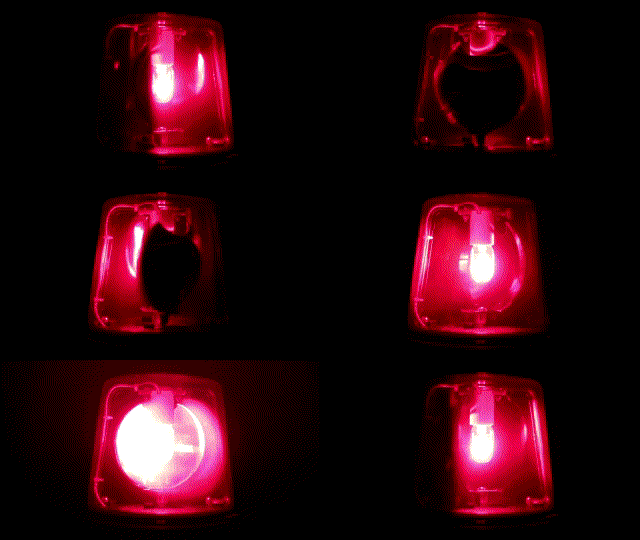

What Causes Flickering Lights in Your Home?
A kitchen light that flickers when the refrigerator starts may be a small nuisance. Lights that dim throughout the house, buzz, smell hot, or flicker without an obvious trigger are different. If you are asking what causes flickering lights, the answer can range from a simple bulb issue to a connection or electrical service problem that needs prompt professional attention.
Flickering is a sign that the light is not receiving steady power or that the bulb and fixture are not making a reliable connection. The key is noticing where it happens, what triggers it, and whether other electrical symptoms are showing up at the same time.
What Causes Flickering Lights? Start With the Pattern
A single flickering lamp or ceiling fixture is usually more localized than lights blinking in multiple rooms. That distinction helps narrow down the likely cause.
If one fixture flickers, the issue may be the bulb, switch, dimmer, fixture socket, or wiring serving that specific light. If several lights on the same circuit flicker when an appliance runs, the circuit may be carrying more load than it should or have a weak connection. When lights across the property brighten and dim unpredictably, the concern can extend to the electrical panel, service connection, or utility supply.
Do not assume that a flicker is harmless just because it is intermittent. Loose electrical connections can create heat, and problems behind a wall or inside a panel do not always provide a warning until damage has already started.
Common Causes Inside a Home or Business
A loose or failing light bulb
The simplest explanation is often a bulb that is not seated securely in the socket. Turn off power to the fixture, allow a hot bulb to cool, and gently check that it is snug. If the flickering continues, replace the bulb with one that matches the fixture's recommended wattage and bulb type.
LED bulbs deserve a closer look. Some LEDs flicker when paired with older dimmer switches that were designed for incandescent bulbs. An LED-compatible dimmer and quality dimmable bulbs usually resolve that problem. A low-cost or failing LED bulb can also flicker even in a sound fixture.
A worn fixture, switch, or dimmer
A loose socket tab, damaged fixture wiring, or worn wall switch can interrupt power to one light. Flickering that occurs when you touch the switch, adjust a dimmer, or move a fixture is a reason to stop using it until it can be inspected.
Dimmers are a frequent source of confusion. Not every LED bulb is dimmable, and not every dimmer can handle LED loads. Compatibility matters, but replacement should not be treated as a guess. A licensed electrician can confirm whether the issue is the control, the fixture, or the wiring behind it.
An overloaded circuit
Lights may briefly dim when a high-demand appliance starts, such as an air conditioner, heat pump, refrigerator, microwave, well pump, or shop tool. A slight, occasional change can happen during motor startup. Repeated or pronounced flickering is not something to ignore.
Older homes and buildings may have circuits serving more equipment than they were originally designed to support. Renovations can add appliances, office equipment, lighting, and HVAC loads without sufficient circuit upgrades. The fix may be as straightforward as redistributing loads, or it may require a dedicated circuit, panel work, or a broader electrical upgrade.
Loose wiring connections
Loose connections at a fixture, outlet, switch, junction box, breaker, panel, or service equipment can cause lights to flicker. These faults may come from age, vibration, previous work, corrosion, or wire connections that were never properly secured.
This is not a homeowner repair. Electrical connections must be inspected and corrected with the power safely isolated and the proper testing equipment. A loose connection can arc, creating heat that damages insulation, devices, and nearby building materials.
A failing breaker or electrical panel issue
A breaker that is damaged, loose, overloaded, or no longer making a solid connection can affect the circuit it serves. In some cases, a panel with aging components or signs of moisture can produce wider electrical problems.
Warning signs include breakers that trip repeatedly, a warm panel cover, crackling sounds, corrosion, burning odor, or lights that flicker in several areas. Do not remove a panel cover to investigate. Call a qualified electrician, especially if the problem involves main service equipment.
Utility or service connection problems
When lights throughout a house or commercial space brighten and dim together, the problem may be beyond individual circuits. A damaged service conductor, loose neutral connection, weather-related utility issue, or problem at the meter can all affect the power entering the property.
A loose neutral is especially serious because it can cause unstable voltage. Some lights may get brighter while others dim, and sensitive electronics can be damaged. If this happens, turn off or unplug sensitive equipment if it is safe to do so, then contact an electrician and, when appropriate, your electric utility.
When Flickering Lights Need Urgent Help
Call for electrical service right away if flickering lights occur with a burning smell, smoke, sparks, buzzing, hot switches or outlets, discoloration around a device, or a breaker that will not stay on. These are potential signs of overheating or arcing.
You should also treat sudden whole-home flickering as urgent, particularly if lights brighten dramatically, appliances behave unusually, or the issue began after a storm, tree damage, construction activity, or a power outage. Avoid using major appliances until the source has been evaluated.
For commercial properties, unstable lighting can affect more than visibility. It can interrupt point-of-sale systems, refrigeration, computers, security equipment, and daily operations. Fast diagnosis helps protect people, equipment, and the schedule your business depends on.
Safe Steps You Can Take Before Calling
There are a few observations that can help your electrician diagnose the problem without taking unnecessary risks. Note whether the flickering is limited to one fixture, one room, or the entire property. Pay attention to whether it happens when a particular appliance starts, when the wind is strong, or at a certain time of day.
You can safely replace a known-good bulb after switching off the fixture and letting it cool. You can also check whether a breaker has tripped, but do not repeatedly reset a breaker that trips again. Repeated tripping means the circuit needs attention.
Do not open electrical boxes, remove panel covers, tighten wiring, or work on a fixture that may have a damaged connection. Those tasks require proper training and testing. Electrical problems are not always visible, and a circuit that appears off can still present hazards if the wiring has been altered or incorrectly labeled.
A Professional Diagnosis Saves Guesswork
A proper electrical inspection follows the symptom back to its source. That may include testing the fixture and switch, checking circuit loads, examining connections, evaluating breakers and panel components, and determining whether the electrical service or utility connection is involved.
The right repair depends on the cause. One property may only need a compatible dimmer and new LED bulbs. Another may need a repaired connection, dedicated appliance circuit, panel correction, or coordination with the utility. Treating every flicker as a bulb problem can delay the repair that actually protects the building.
Cascade Electric Service LLC provides licensed electrical troubleshooting for homeowners, businesses, and project teams throughout the Lower Columbia region. When electrical, plumbing, and construction work overlap in a remodel or repair, coordinating the trades through one accountable contractor can also reduce delays and jobsite confusion.
If a light has started flickering, pay attention to the pattern rather than waiting for it to become a bigger disruption. A timely service call can turn an uncertain electrical symptom into a clear, safe repair plan.


Comments