

How to Prepare for a Power Outage Safely
A windstorm, falling branch, vehicle collision, or equipment failure can turn off the lights with little warning. To prepare for a power outage, focus first on the systems that keep people safe: lighting, food, water, heat, communication, and electrical equipment. A few practical decisions made before an outage can prevent spoiled food, damaged pipes, unsafe generator use, and a long, uncomfortable night.
For homeowners and business operators in the Lower Columbia region, the right plan depends on the property. A family home may need to protect refrigerated medication and prevent frozen pipes. A small business may need to preserve inventory, secure a building, and keep customers informed. The goal is not to power every appliance. It is to keep essential needs covered until utility service is restored.
Prepare for a Power Outage Before Weather Arrives
Start with a written plan that everyone in the household or workplace can follow. Decide who will check on children, older adults, tenants, pets, or employees. Keep emergency contacts on paper, not only in a phone, and identify a meeting place if family members are away when the outage begins.
Lighting should be easy to find in the dark. Place flashlights in bedrooms, the kitchen, near electrical panels, and in work areas. Keep fresh batteries available. Battery lanterns are often more useful than handheld flashlights because they light a room without requiring someone to hold them. Avoid relying on candles. An open flame is a fire risk, especially in homes with children, pets, or crowded storage areas.
Build a basic supply kit around the length of outage you are likely to face. Include drinking water, shelf-stable food, a manual can opener, medications, first-aid supplies, phone charging banks, blankets, and pet supplies. Keep cash on hand as well. During a widespread outage, card readers and ATMs may not operate.
For a business, assign responsibility for the kit and inspect it regularly. Include flashlights, batteries, first-aid materials, paper contact lists, basic sanitation supplies, and any items needed to secure critical equipment. Restaurants, medical offices, and businesses with temperature-sensitive inventory should have a more detailed continuity plan based on their specific operation.
Protect food, water, and medication
Keep refrigerator and freezer thermometers inside your appliances. During an outage, a refrigerator generally keeps food cold for about four hours if the door stays closed. A full freezer can hold a safe temperature for around 48 hours, or about 24 hours if it is half full. These are general guidelines, not a reason to guess. Check temperatures before deciding whether food is safe.
Freeze containers of water ahead of time if you have freezer space. They help the freezer hold its temperature and can provide cold water as they thaw. If your home uses a well pump, remember that stored water matters even more. Without power, the pump may not run, so keep a supply for drinking, sanitation, and basic cleaning.
People who rely on refrigerated medication, medical equipment, or mobility devices need a separate plan. Ask the prescribing provider, pharmacy, or equipment supplier about backup power options and safe storage requirements before an emergency occurs. Do not wait until the power is off to find out what is necessary.
Make Your Electrical System Safer
When the power goes out, unplug sensitive electronics such as computers, televisions, game systems, and office equipment. This reduces the chance of damage from a surge when service returns. Turn off or unplug nonessential appliances, and leave one light switched on so you know when power has been restored.
Do not overload extension cords or power strips while trying to keep devices running. Extension cords are temporary tools, not permanent wiring. They should be in good condition, rated for the intended use, and kept clear of doorways, rugs, standing water, and combustible materials. Never run a cord that is damaged, warm to the touch, or pinched under a door.
If you see a damaged service mast, pulled meter equipment, sparking outlet, burning smell, or water near electrical components, stay clear and treat it as an emergency. Do not attempt a repair yourself. Electrical problems after a storm can involve hidden damage that requires a licensed professional to evaluate safely.
Use generators with care
A portable generator can keep essential equipment running, but it can also create serious carbon monoxide and electrical hazards. Operate it outdoors only, well away from doors, windows, vents, and attached garages. Carbon monoxide has no smell and can build up quickly inside a structure. Carbon monoxide alarms with battery backup are a wise safeguard in any property that may use a generator.
Never connect a portable generator directly to a wall outlet. This dangerous practice, often called backfeeding, can energize utility lines and put utility workers, neighbors, and your own electrical system at risk. A properly installed transfer switch or approved interlock allows a generator to supply selected circuits while isolating the property from the utility service.
Generator sizing is not one-size-fits-all. A smaller unit may be appropriate for refrigeration, lights, phone charging, and a few outlets. Larger needs, such as a well pump, sump pump, furnace blower, commercial refrigeration, or business equipment, require careful load planning. Starting watts can be much higher than running watts for motors and compressors. A licensed electrician can help determine which circuits should be backed up and install the equipment needed to operate them safely.
Keep fuel in approved containers, stored outside living areas and away from ignition sources. Refuel only after the generator has cooled. Fuel spills and hot engine parts are a bad combination.
Keep the Building Protected During an Outage
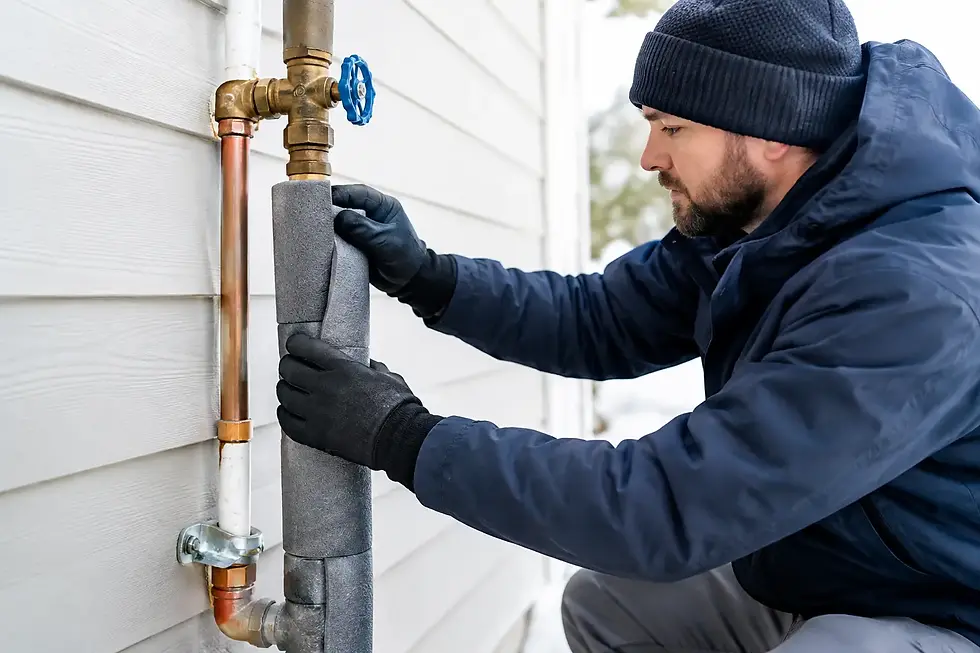
Loss of heat can become a plumbing concern in cold weather. Open cabinet doors under sinks on exterior walls to allow warmer room air to reach pipes. If temperatures are expected to remain low for an extended period, know where the main water shutoff is and make sure it can be operated. A frozen or burst pipe can cause major damage after the lights come back on.
Do not use a gas oven, charcoal grill, camp stove, or outdoor propane heater to warm indoor spaces. These devices can create fire and carbon monoxide hazards. If the home becomes too cold, relocate to a warming center, family member's home, or other safe location rather than attempting an unsafe heating solution.
For commercial properties, secure entrances, verify that emergency lighting is working, and protect valuable inventory. Electronic access controls, alarm systems, elevators, and fire protection systems may behave differently during an outage. Property managers should know the emergency procedures for each system and keep vendor contacts available offline.
What to Do When Power Returns
Bring equipment back online gradually. Start with essential loads, then add appliances and electronics over time. This avoids placing a heavy immediate demand on your electrical system, particularly if several high-draw appliances were left switched on.
Check the property before returning to normal operations. Look for water leaks, tripped breakers, damaged cords, unusual smells, or appliances that are not operating normally. If a breaker trips repeatedly, do not keep resetting it. A breaker is responding to a problem, and repeated resets can make that problem worse.
Review what worked after each outage. Maybe the phone chargers were not where they were needed, the generator could not support a key circuit, or the business lacked a clear employee communication plan. Those lessons are the best way to improve preparedness before the next storm.
A power outage plan does not need to be complicated, but it should be safe and specific to your property. Preparing the right supplies, protecting critical systems, and arranging qualified electrical work before an emergency gives your household or business a steadier path through the unexpected.


Comments